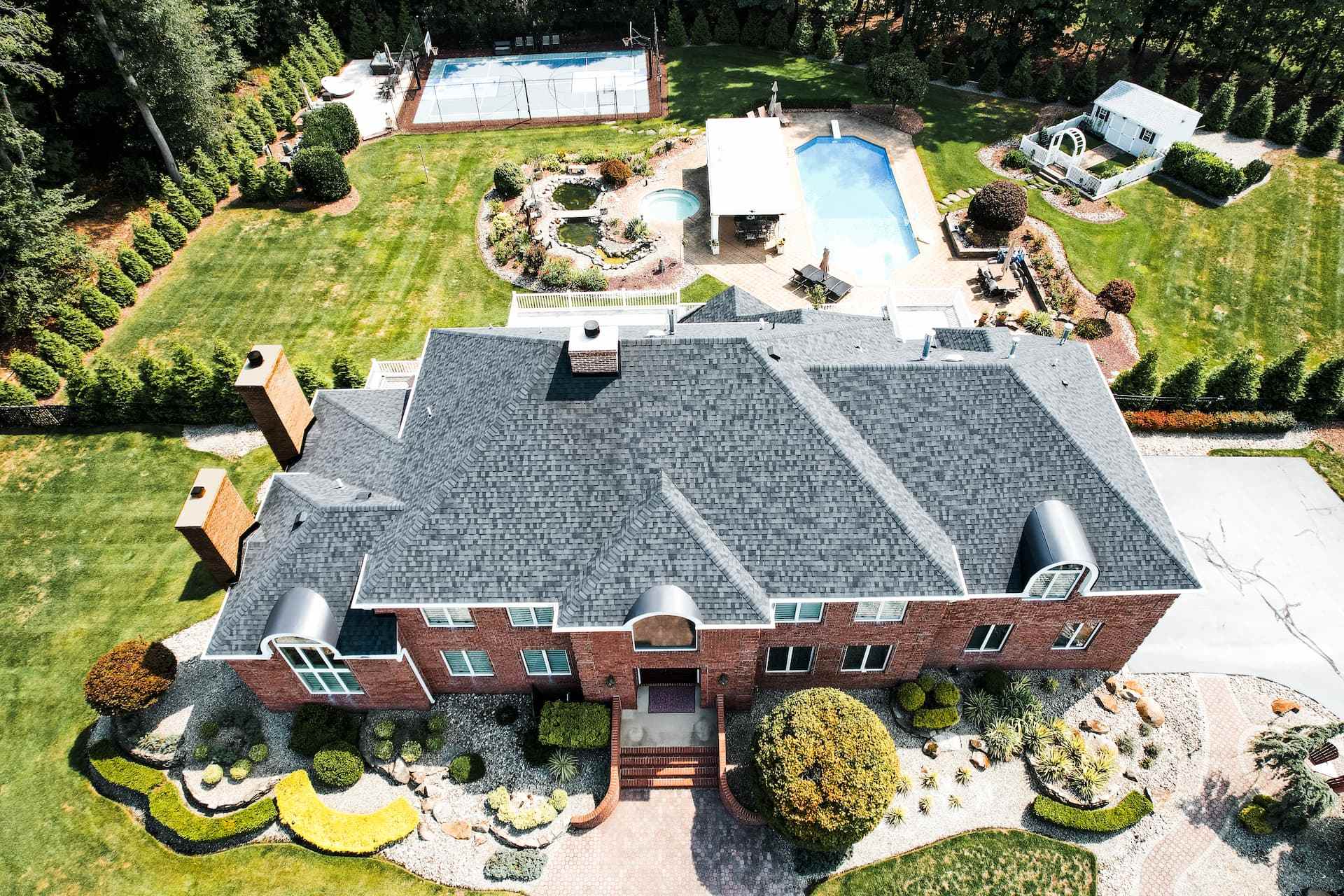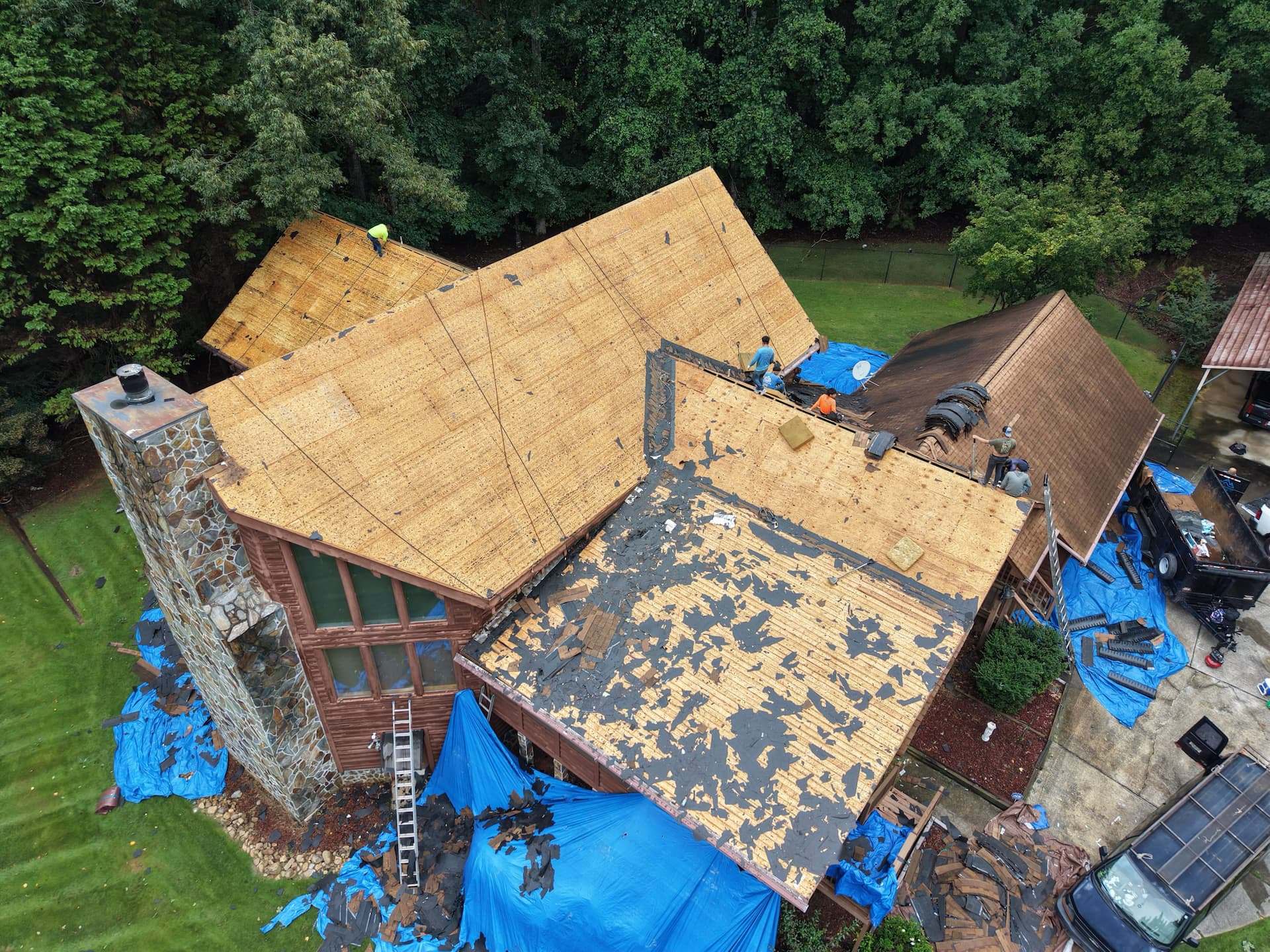
Two houses on the same street, the same size, can get roof estimates thousands of dollars apart. That isn't always a roofer padding the bill. Most of what sets the price is hidden from the street: what's under the shingles, how steep the roof is, and how many places it meets a chimney or a wall.
This guide walks through the six things that move the number, and the question to ask a roofer about each one. It doesn't quote prices. A price for your roof comes from someone getting up on it.
What are the six things that set the price of a new roof?
The size of the house is only the starting point. These six factors decide where in the range your roof lands.
| Factor | Why it moves the price | What to ask |
|---|---|---|
| Size and shape | Valleys, dormers and hips take more cutting, flashing and time than one plain slope | How did you measure the roof? |
| Pitch | A steep roof means harnesses, roof jacks and slower work | Is the pitch in the price, or extra? |
| Layers | Two layers take roughly twice the work to strip and haul away as one | Did you check for a second layer? |
| Decking | Soft plywood under the shingles has to be replaced, sheet by sheet | What's your per-sheet price? |
| Flashing | Every chimney, skylight and wall needs flashing, and flashing is hand work | Are you replacing the flashing or reusing it? |
| Material | Architectural shingles cost more than three-tab; cedar and membrane are priced on their own | Which shingle line, and why that one? |
How do the size and shape of a roof change the price?
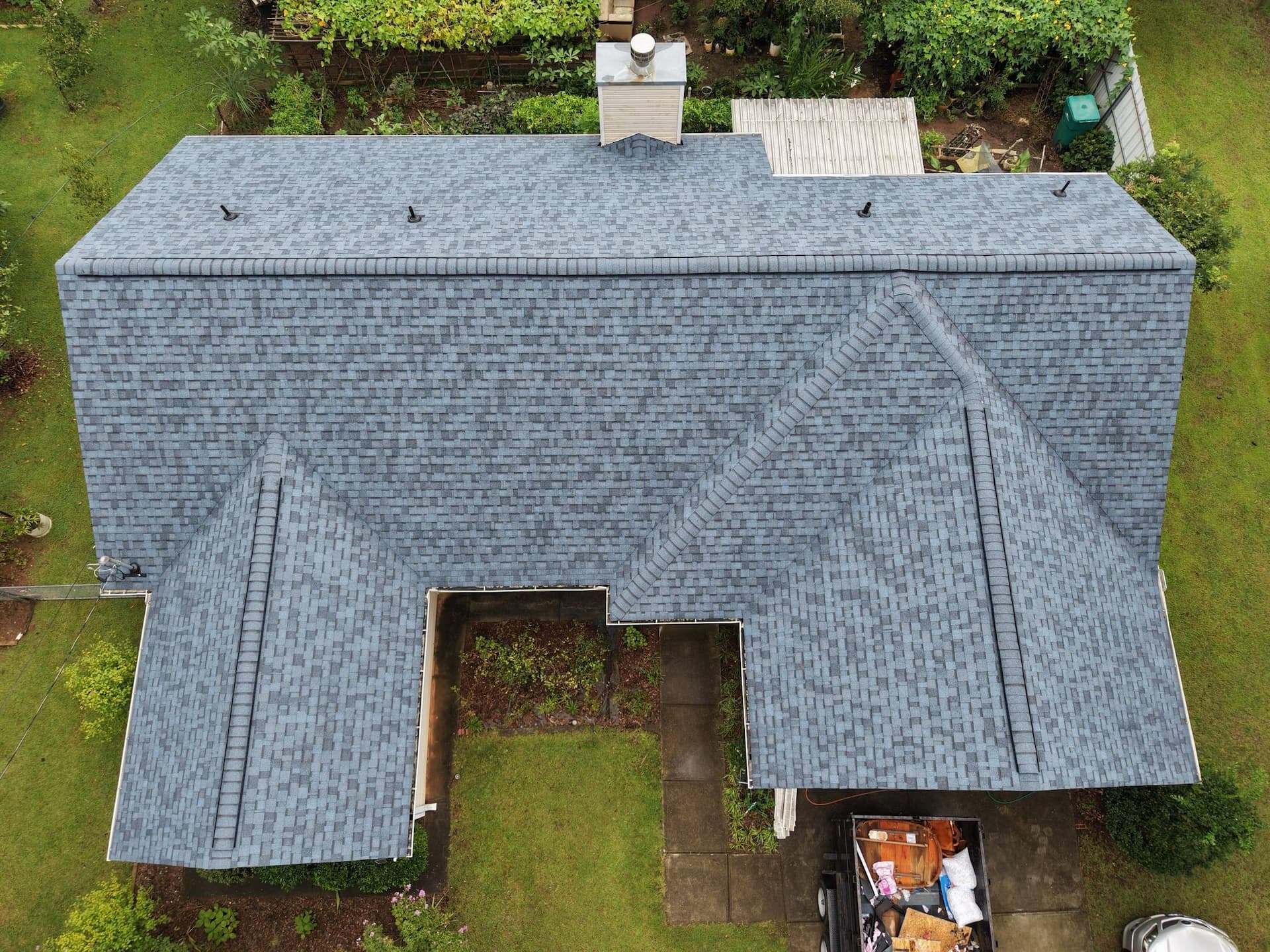
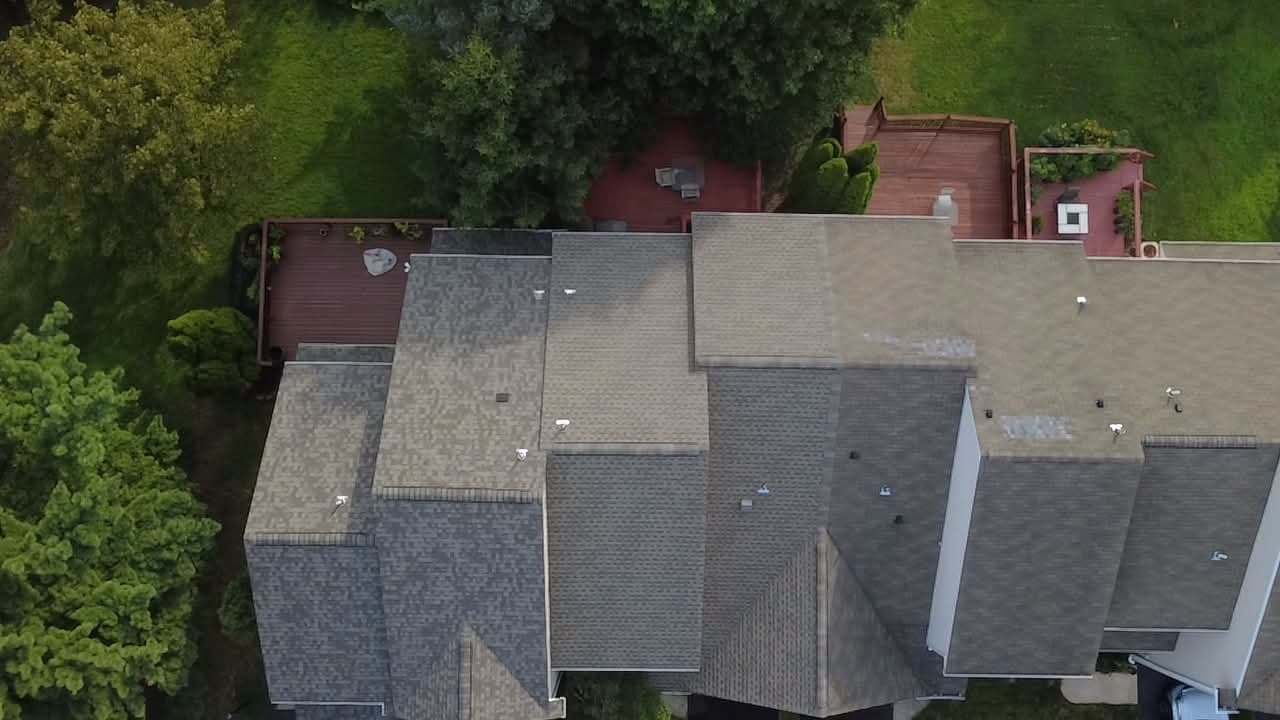
A simple roof with two flat slopes is the cheapest kind to replace. Every valley, hip, dormer or change in direction means more cutting, more flashing and more time on the roof. Two houses with the same footprint can have very different roofs once you count the angles.
Size is measured in squares, and one square is 100 square feet of roof. A good estimate measures the actual roof, including the overhangs and the extra material that valleys and ridges eat up, not just the floor plan of the house.
What to ask the roofer
How did you measure the roof? A roofer who walked it, flew a drone over it or used aerial measurements can tell you the number of squares and show you how they got there. If the answer is "I eyeballed it from the street," the price is a guess.
How does the pitch of the roof affect the cost?
Pitch is how steep the roof is. On a low, walkable roof, a crew can move around freely and carry bundles by hand. Once a roof gets steep, everyone is in a harness, roof jacks and planks go in to stand on, and every task takes longer. That extra time and safety gear is part of the price.
What to ask the roofer
Is the pitch already in the price, or will it show up as an extra? It should be in the written estimate from the start. The roofer saw how steep the roof is at the inspection.
Why does the number of layers matter?
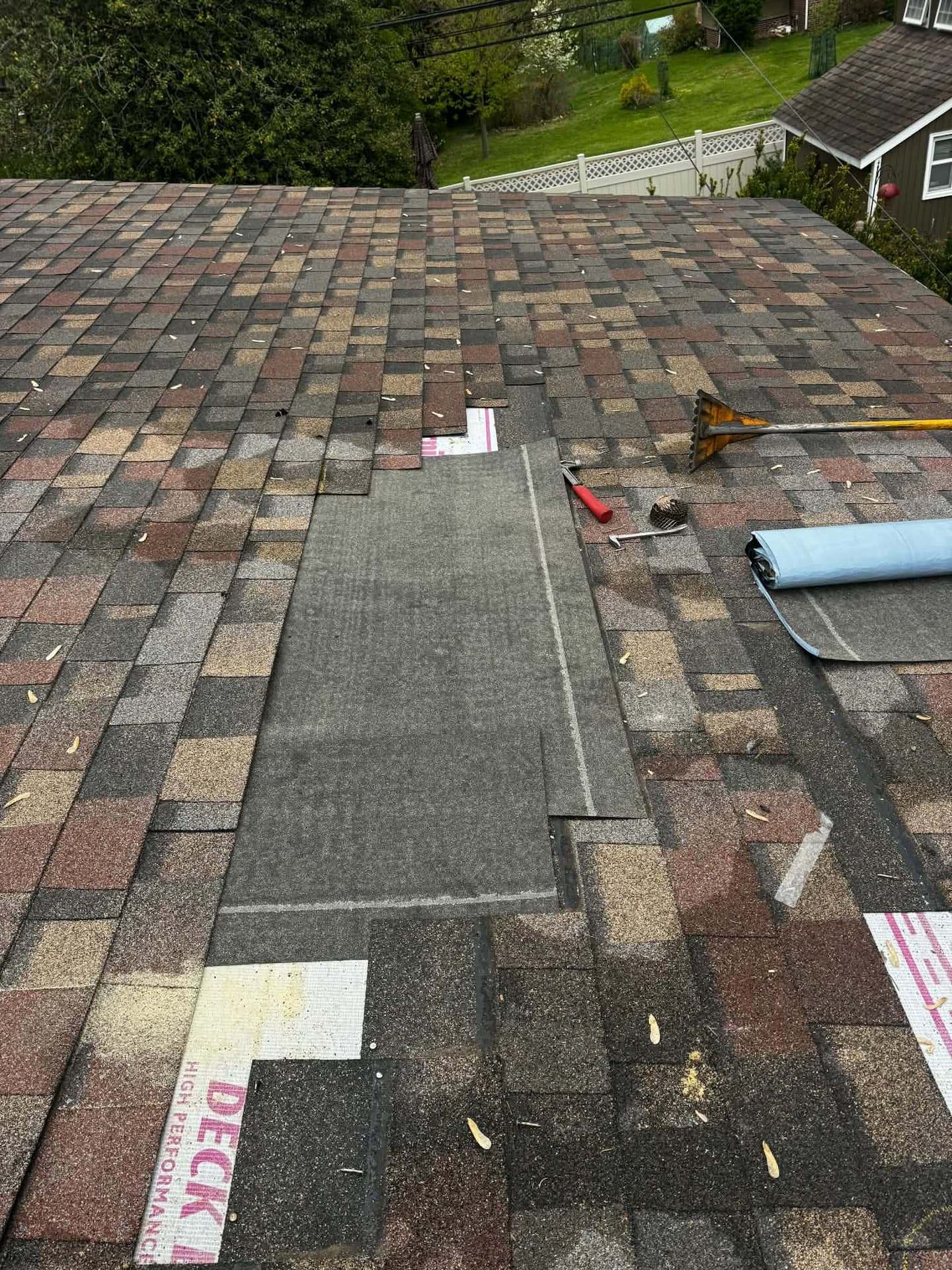
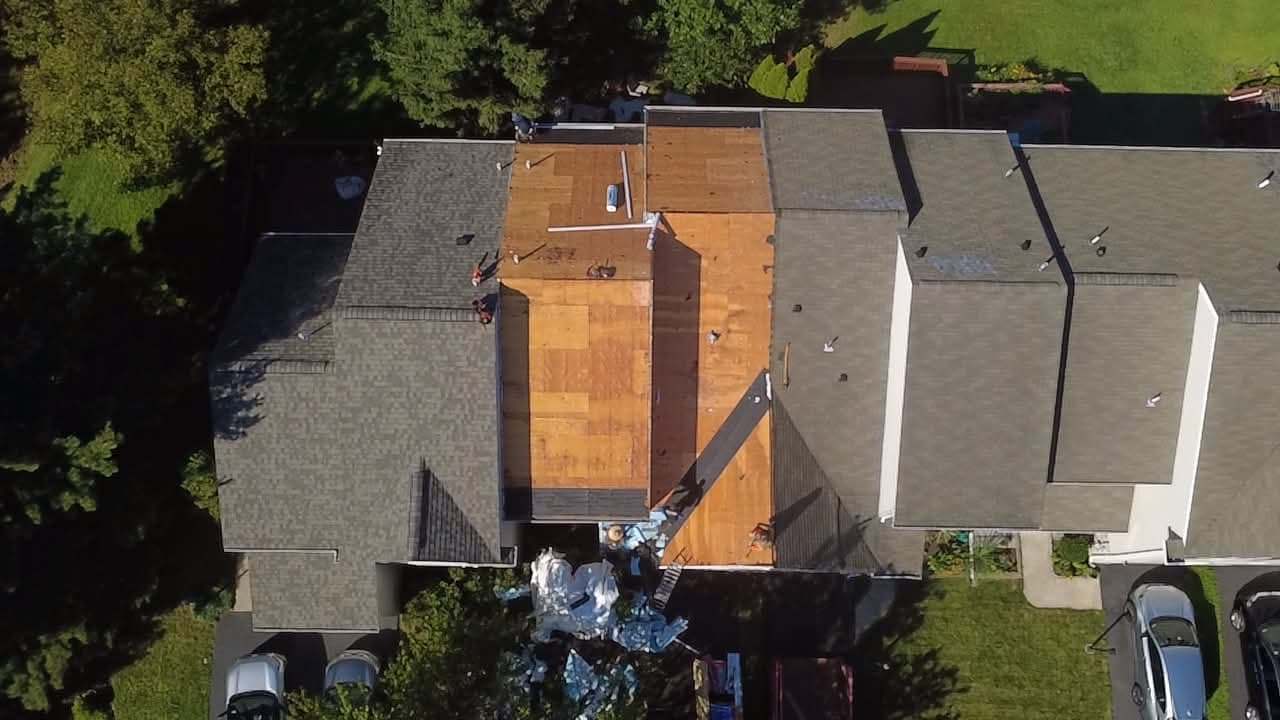
A roof that has been redone before may have a second layer of shingles on top of the first. That second layer has to come off too, and two layers take roughly twice the work to strip and haul away as one. On a house that's had a few roofs over its life, this is one of the biggest surprises in a bad estimate.
What to ask the roofer
Did you check for a second layer, and is tearing it off in the price? The edges of the roof usually show it. If the estimate doesn't mention layers at all, ask why.
What happens if the decking under the shingles is soft?
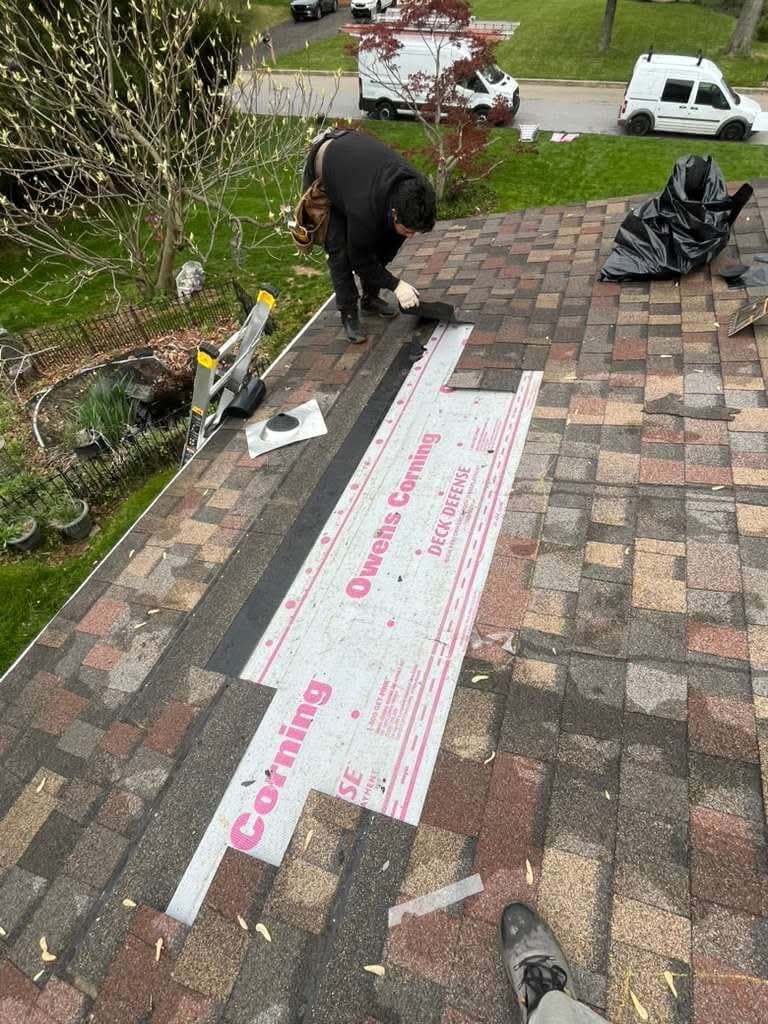
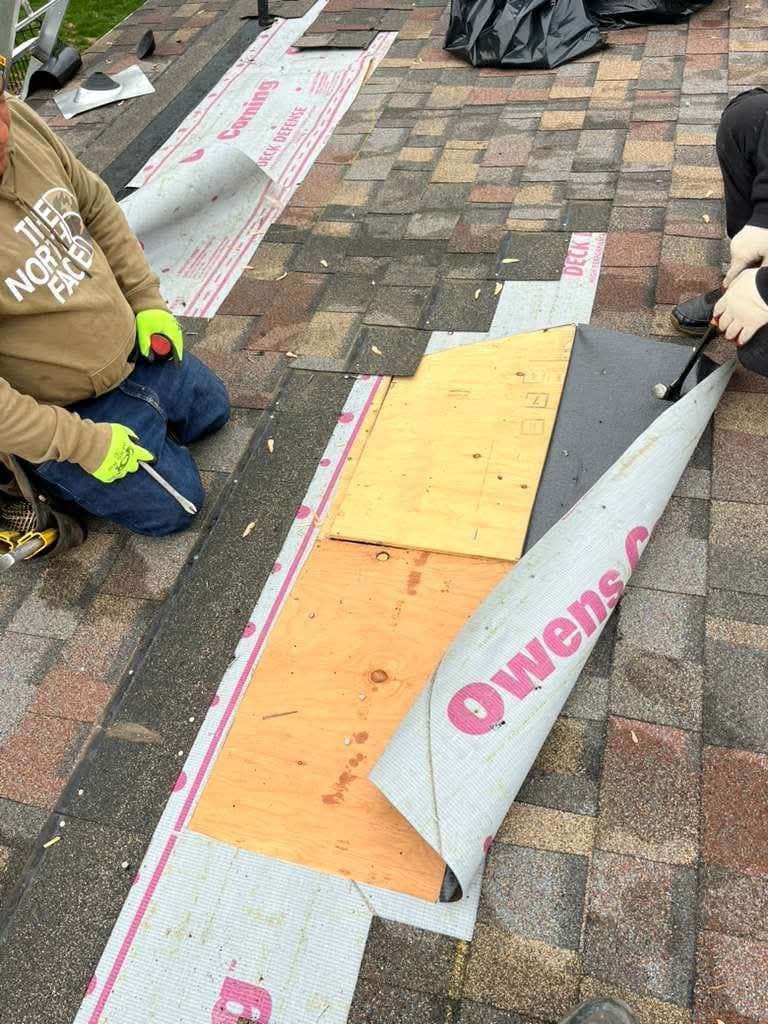
Decking is the plywood or boards the shingles are nailed to. You can't see it until the old roof comes off, and on an older house it's common to find some soft or rotted sheets. Those have to be replaced before anything new goes down, or the new shingles won't hold.
Because nobody can count the bad sheets ahead of time, decking is priced per sheet, and only for the sheets that actually get replaced.
What to ask the roofer
What's your per-sheet price for decking, and will you show me the sheets you replace? The per-sheet price should be written on the estimate. Photos of every bad sheet are how you know you only paid for what was needed.
Why does flashing add to the cost?
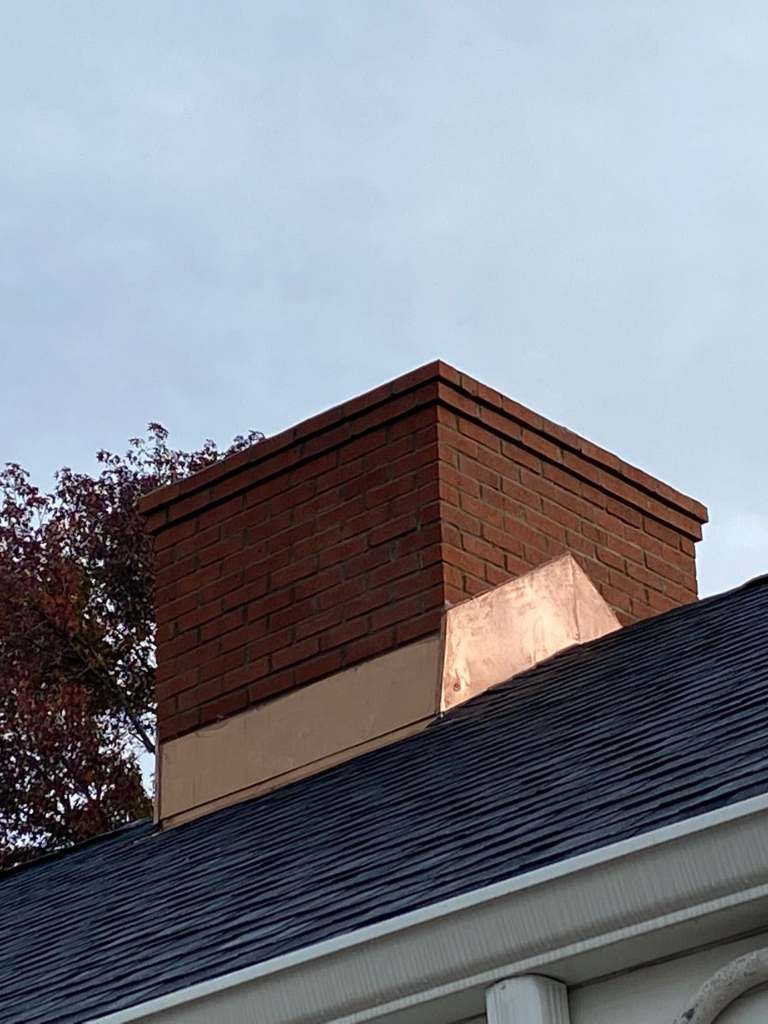
Flashing is the metal that seals the roof where it meets something else: a chimney, a skylight, a wall, the side of a dormer. It's cut and fitted by hand, piece by piece, and it's where most roof leaks start. A roof with a chimney, two skylights and a dormer has a lot more of it than a plain one.
Some bids save money by leaving the old flashing in place and sealing it with caulk. That's cheaper on paper and more expensive the first time it leaks.
What to ask the roofer
Are you replacing the flashing or reusing the old metal? Around a chimney, ask whether it's step flashing and counterflashing cut into the mortar joints. A bead of caulk isn't flashing.
How does the roofing material change the price?
Architectural shingles cost more than three-tab shingles. They're thicker and layered, and most manufacturers rate them for higher wind speeds. Cedar shake and low-slope membrane are a different kind of job altogether and are priced on their own. Within each type, the shingle line you pick moves the number too.
What to ask the roofer
Which shingle line are you quoting, and why that one? If you're comparing bids, make sure they're quoting the same type of shingle. An architectural bid and a three-tab bid aren't the same job.
How do these factors play out in Levittown and Doylestown?
The same six factors apply everywhere, but the houses decide which ones matter most.
Levittown
Levitt & Sons built 17,311 houses in Levittown between 1952 and 1958, on concrete slabs, using six models with only modest differences in outside appearance within each one. That gives a lot of Levittown roofs a head start on pricing: houses of the same model started out with the same roof size and shape, so size and shape are rarely the surprise.
The surprises are age. After roughly 70 years, the roof on a Levittown house almost certainly isn't the original, so the first thing we check is the edges for a second layer. If it's there, tearing it off goes on the estimate. On houses this age it's also common to find some soft plywood, which is why the per-sheet decking price matters here. Any addition or porch roof tied in since the house was built adds valleys and flashing back into the mix. See our page on roof replacement in Levittown for the permit side, since Levittown spans four different permit offices.
Doylestown
In Doylestown Borough, many houses are older, with steep roofs, dormers and brick chimneys. That puts pitch and flashing at the top of the list: more harness time, and more places where the roof meets something else. If the house is in the borough's historic district and the work can be seen from the street, the material and color may need a Certificate of Appropriateness before the permit is issued, which can narrow your material choices.
Doylestown Township houses are mostly newer, built between the 1970s and the 1990s, and their roofs tend to be simpler. There, decking and layers usually decide the number. More on both on our roof replacement page for Doylestown.
Why is the lowest estimate often missing something?
Our estimate is often not the lowest one you get. When a bid comes in well under the others, ask what's missing from it. Most of the time it's the decking or the flashing, and sometimes it's the second layer. Line up the bids by the six factors above and the gaps are usually obvious.
If you want the factors on paper, our roof price guide lists them in one page. For how we handle the whole job, from tear-off to the final walk-around, see our roof replacement services.