A storm just went through, there are shingles in the yard, and maybe there's water coming through a ceiling. The next two days decide how much this costs you, and who you end up trusting with your house. Most of what matters in those two days happens on the ground, not on the roof.
What should you do in the first 48 hours after storm damage?
Work through these in order. The first three keep people and the house safe. The rest protect your insurance claim and your wallet.
- Get everyone safe. Stay away from downed wires and call your electric company. If a tree or limb is on the house, keep everyone out of the rooms under it.
- Stay off the roof. A wet, damaged roof is slippery, shingles can come loose underfoot, and the decking may be weak where it took a hit.
- Stop the water you can reach inside. Put buckets under drips, move furniture and electronics, and stay out from under any ceiling that's sagging with water.
- Photograph everything. Take pictures of the roof from the ground, the shingles and debris in the yard, every stain and drip inside, and anything that got wet. Keep a few of the shingles that came off.
- Report it to your insurance company. Check your policy for how and when to report storm damage, and write down the claim number and your adjuster's name.
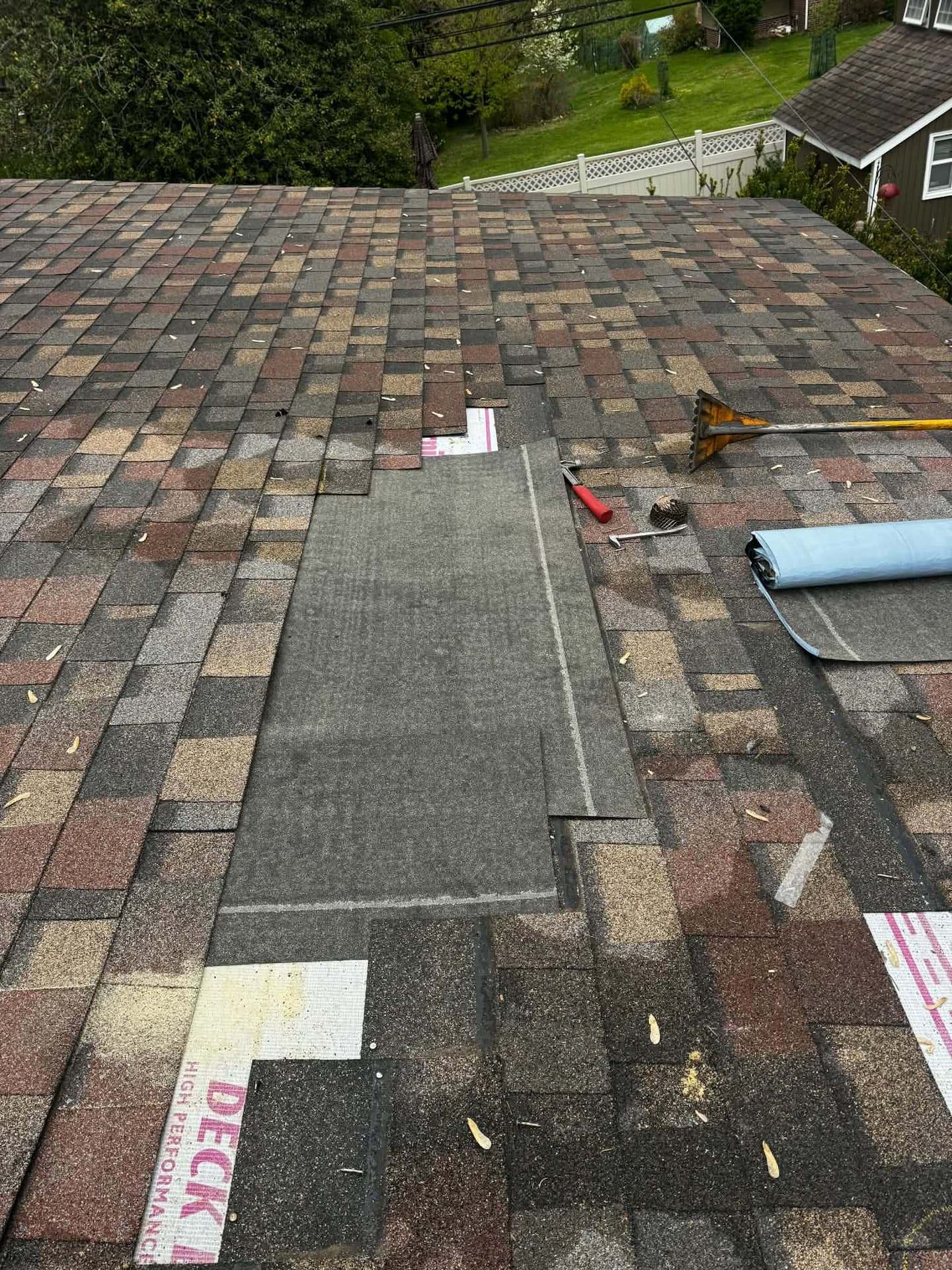
- Get the roof covered. If water is coming in, have a contractor put on a temporary cover. Many policies expect you to take reasonable steps to prevent more damage, so keep the receipt.
- Get an inspection before you sign anything. Have a registered local contractor look at the whole roof and write up what they find. That's the document you'll want when you talk to your adjuster.
None of this needs a decision on the doorstep. A roof that's been covered can wait a few days for the right contractor.
How does the insurance claim work with a roofer?
You file the claim, your insurance company sends an adjuster, and the roofer documents the damage and the repair. Those are three separate jobs.
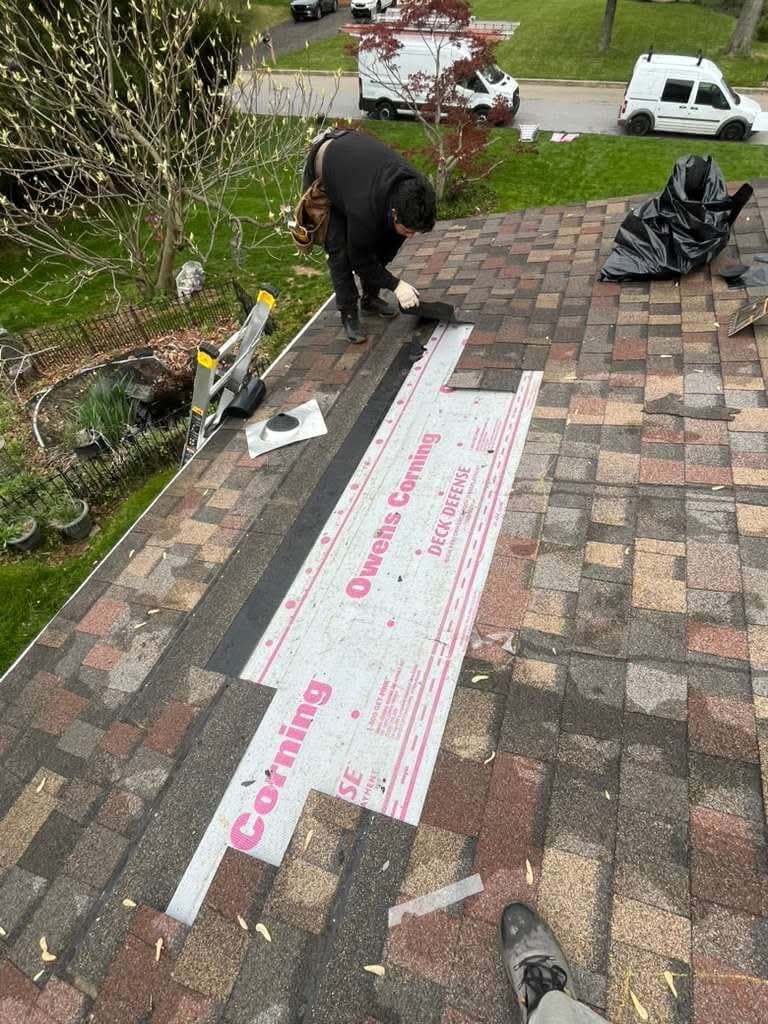
Here's exactly what our part is. We get on the roof, photograph the damage, and write the scope for your adjuster, but we do not file the claim for you and we cannot promise what the insurance company will approve. Be wary of any contractor who promises your insurance will pay for a whole new roof before an adjuster has even seen it.
For damage that turns out to be in one area, a roof repair is usually the fix. When we're not sure how far it goes, a full roof inspection covers every slope, the attic and a drone flyover.
How do you spot a storm chaser?
After a big storm, crews from out of the area go door to door. Some do fine work. Some take a deposit and disappear, or leave before the first leak shows up and there's nobody to call.
Pennsylvania gives you a simple way to check. The Home Improvement Consumer Protection Act requires contractors who do at least $5,000 of home improvement work a year to register with the Attorney General. Each registered contractor gets a PA number, and that number has to appear on its ads, estimates and contracts. Ask for it, then look it up on the Attorney General's website, or call the Attorney General's office at 1-888-520-6680.
Our number is PA215236. Look it up. Then look up whoever else is bidding your job.
What should you ask anyone who knocks on your door?
Keep these questions by the door. A real local contractor will have an answer for every one of them.
- What's your Pennsylvania HIC registration number?
- Where is your business, and what's the phone number I'll call if the roof leaks next year?
- Can I see your certificate of insurance before you start?
- Will you give me a written estimate with the scope, the materials and the price?
- How much of a deposit do you want? Pennsylvania's law caps most home improvement deposits at one-third of the contract price, plus any special-order materials.
- Will you pull the permit if my township requires one?
- Do you need me to sign anything today? (The answer should be no.)
If a contractor pushes you to sign before the adjuster comes, or asks you to sign over your insurance check, slow down. You also have three business days to cancel a home improvement contract after signing it, with limited exceptions for emergency work.
What does a local contractor do differently?
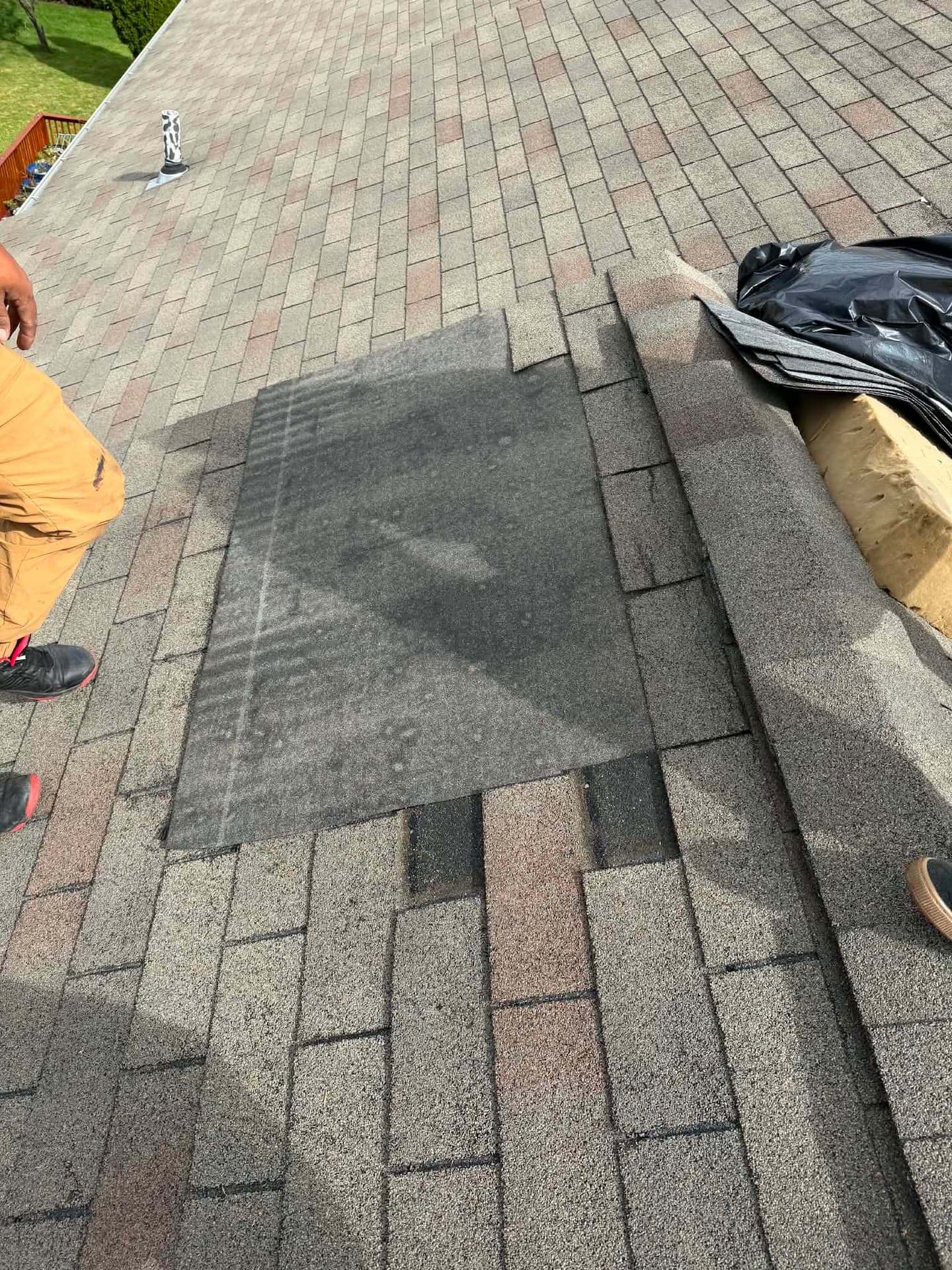
We're based in Warminster, and the calls after a storm come from our own neighbors in Bucks County. That changes how the job gets done. We photograph what we find, show it to you before anything is decided, and we're still a local call away when the next storm comes through.
One homeowner put it this way:
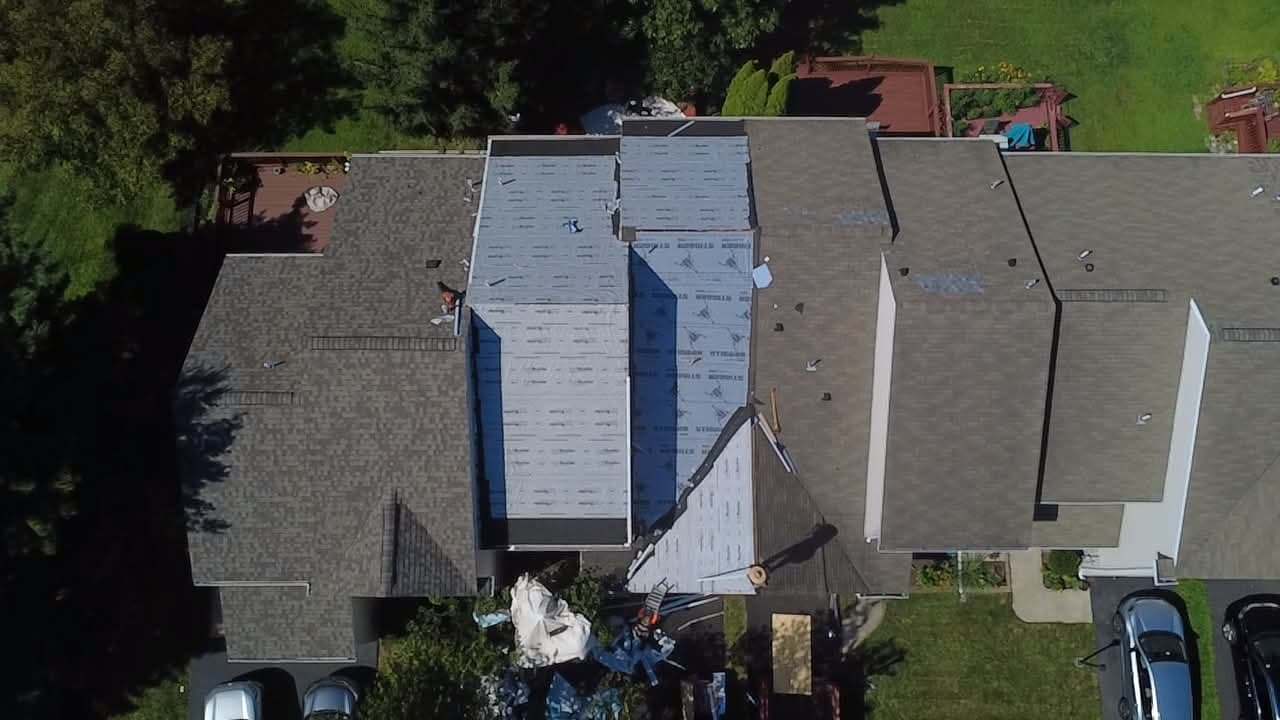
We had a portion of our roof repaired that caused a severe leak (and hole) in our ceiling. They shared drone shots of the exterior as the work progressed.
Ergi Demiraj, Google review
For roofing across the county, including the permit offices for each township, see our page on roofing in Bucks County, and our page for roofing in Warminster.