A chimney on an old house is the part of the building that gets the worst weather and the least attention. It sits above the roof, wet on four sides, and nobody looks at it until there's a stain on the ceiling or a piece of brick in the gutter. By then the homeowner usually wants to know one thing: can this be fixed, or does it have to come down?
Most of the time it can be fixed. Here is how to tell the difference, and what changes when the house is old enough to be historic.
What is the difference between repairing and rebuilding a chimney?
A repair keeps the chimney you have and fixes the parts that let water in. A rebuild takes the chimney down to sound masonry, usually the roofline, and lays it back up with new or reclaimed brick.
Repair work on a chimney usually means one or more of these:
- Repointing. Grinding out worn mortar joints and packing them with new mortar.
- A new crown. The crown is the cap of concrete or mortar on top of the brick. When it cracks, water runs straight down into the chimney.
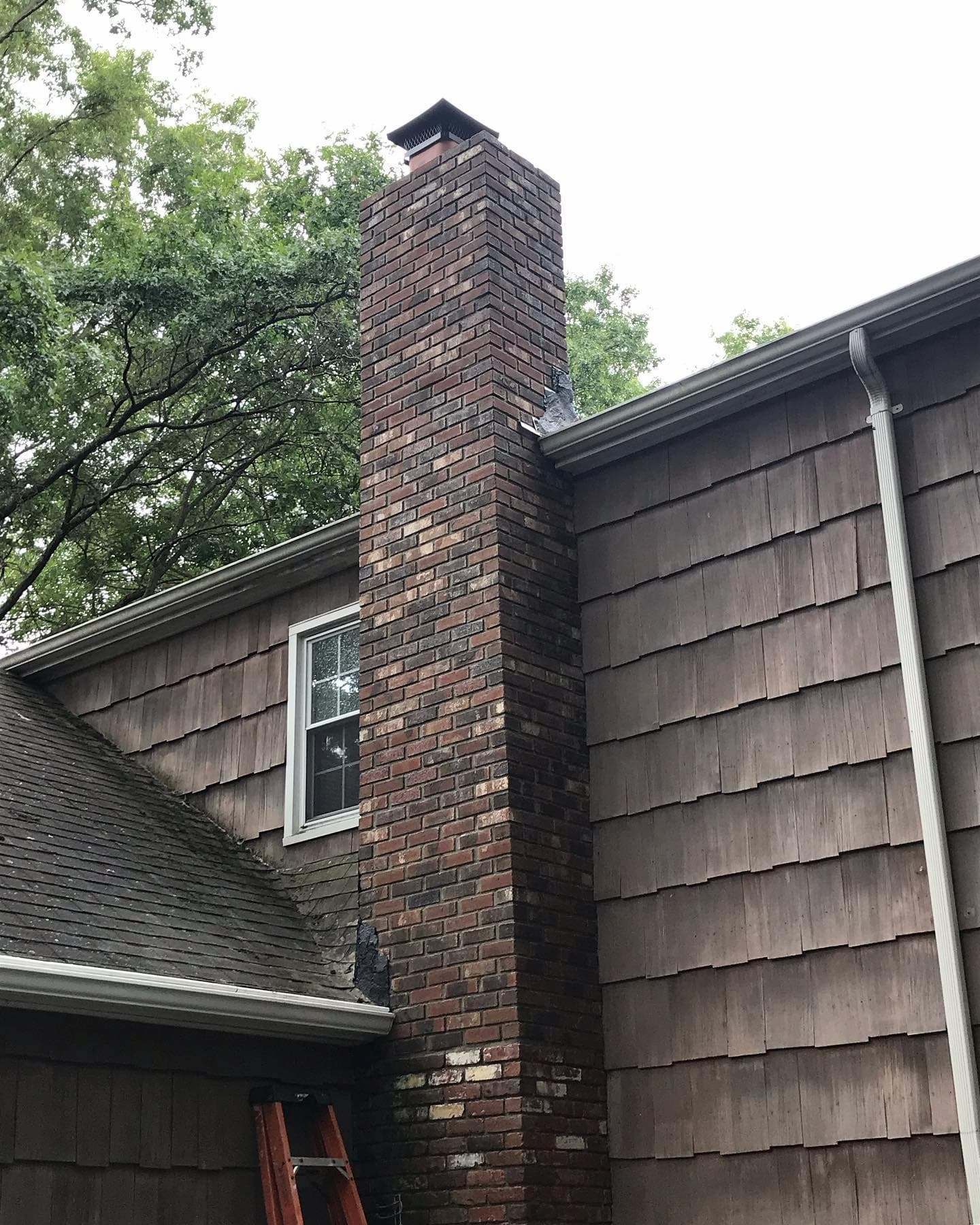
- Flashing. Step flashing and counterflashing where the chimney meets the roof. This is where most chimney leaks start.
- A cap. The metal cover over the flue that keeps rain and animals out.
A rebuild is what's left when the brick itself has failed. It's more work and more money, and on an old house it has to be done carefully so the new top doesn't look like it belongs to a different building. You can see how we handle both on our chimney rebuilding and repair page.
Why do chimneys on older Main Line homes wear out?
Water and cold. Winters in southeastern Pennsylvania swing above and below freezing again and again. Water soaks into a worn mortar joint, freezes, expands and pushes the joint open a little more. Then it thaws, more water gets in, and the cycle repeats all winter. A chimney takes more of this than any other part of the house because it stands above the roof with nothing to shelter it.
Age makes it worse. In Wayne, more than a quarter of homes were built before 1940, and the North Wayne Historic District alone has 190 contributing buildings from the 1880s planned suburb called Wayne Estate, most of them Shingle Style and Colonial Revival. A chimney on one of those houses may be well over a hundred years old and laid in mortar that was made to be soft.
Villanova is different. The 1950s are the biggest decade for houses there, and the median home dates to around 1961. A chimney from that era was most likely laid in a cement-based mortar, so it tends to fail at the crown and the flashing before the joints. If you're in Villanova, start there. See our notes on chimney work in Villanova and chimney work in Wayne for the permit side in each township.
What are the signs a chimney can still be repaired?
If the brick is hard and the chimney stands straight, it's almost always a repair. Look for these from the ground, with binoculars if you have them:
- Mortar joints that are sandy, recessed or missing, while the bricks themselves are still crisp and whole
- A crown with cracks across the top, or chunks missing from its edges
- Stains on the ceiling or wall beside the chimney, which usually point to the flashing
- No cap on the flue, or a cap that is rusted through
- A few loose bricks at the very top, with solid courses below them
All of these can be fixed without taking the chimney down. The longer they're left, the more likely they turn into the list below.
What are the signs a chimney needs to be rebuilt?
A rebuild is the right call when the brick, not the mortar, is what's failing. Watch for:
- Spalling. The faces of the bricks flaking or popping off, across many bricks rather than one or two.
- Leaning. The chimney tilting away from the house or pulling away from the wall.
- Loose courses. Whole rows of brick that move when you push them, not just a single brick at the top.
- Old hard repairs. Earlier repointing done in hard cement that has since cracked the brick around it.
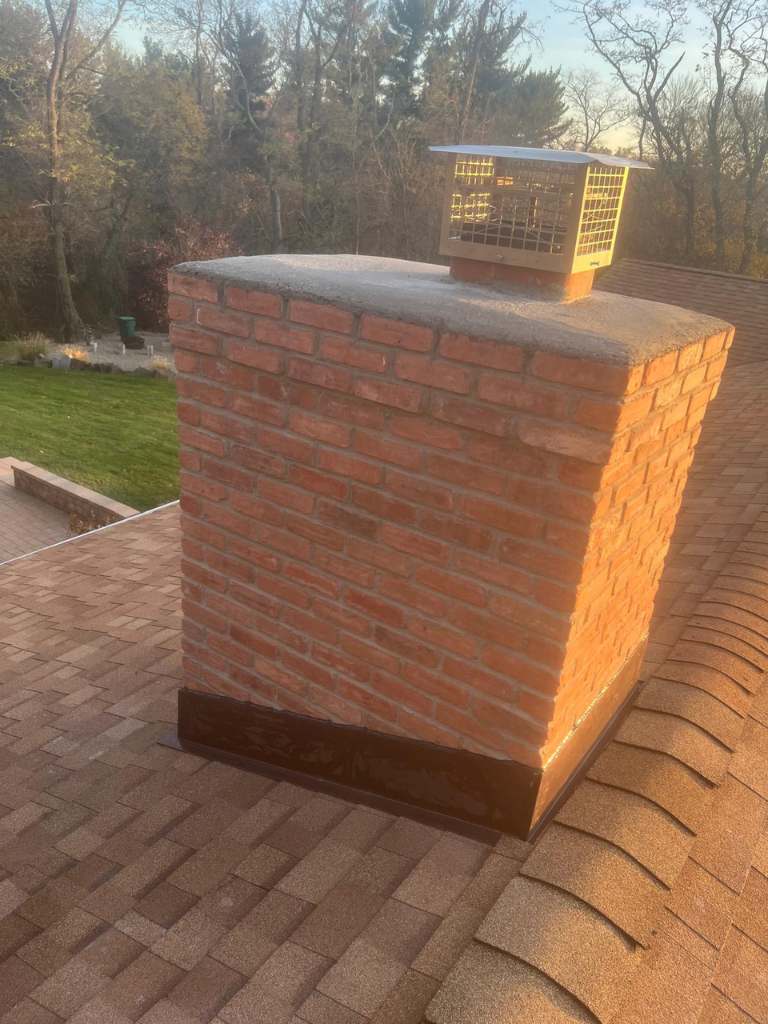
Often only the top of the chimney needs it. The part above the roof takes the weather, so it fails first. If the brick below the roofline is sound, the chimney comes down to the roof and goes back up from there.
Why does the mortar matter so much on an old chimney?
Because the mortar is supposed to wear out before the brick does. The National Park Service's guidance on repointing historic masonry says new mortar has to be softer and more vapor permeable than the brick around it. Hard, high-cement mortar on soft old brick does the opposite: the joint stops flexing and stops letting moisture out, so the stress goes into the brick, and the brick is what cracks and spalls.
A joint can be ground out and repointed again in thirty years. A spalled brick has to be cut out and replaced. That's the whole reason to get the mortar right.
On a house built before 1940, the mortar should also match the original in color, texture and how the joint is finished. A bright gray cement joint on a hundred-year-old chimney is easy to spot from the street. Ask whoever bids the job what mortar they plan to use. If they can't tell you, keep looking.
Do you need permission to rebuild a chimney in Wayne's historic districts?
You may. Radnor Township's Historic Architectural Review Board (HARB) covers the North Wayne, Louella Court and South Wayne Historic Districts. Under Radnor's historic district ordinance, work that demolishes or adds to a building in a district, in whole or in part, needs a certificate of appropriateness before the township issues permits. Taking a chimney down and rebuilding it is the kind of work that rule is written for, so check with Radnor before anyone sets a date. Radnor's own historic district standards name chimneys among the details worth preserving.
Outside the districts, the usual Radnor permit rules still apply. Radnor puts fireplaces and heating equipment on its permit list, and every contractor working in the township has to hold a Radnor license.
Villanova sits partly in Radnor Township and partly in Lower Merion Township, and each has its own permit office. The address decides which one you deal with.
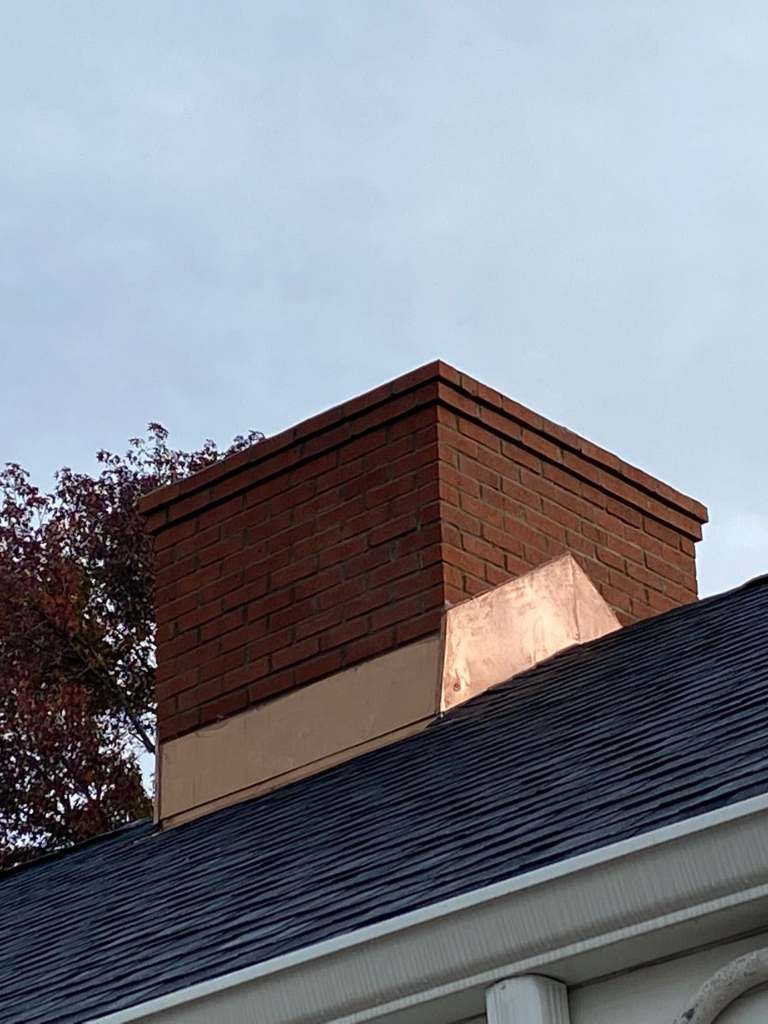
Repair or rebuild: how do they compare?
| Compare | Repair | Rebuild |
|---|---|---|
| Fits when | The brick is hard and the chimney stands straight | The brick is spalling, loose or leaning |
| The work | Repointing, a new crown, flashing, a cap | Down to sound masonry, then laid back up with matched brick |
| Matching an old house | Mortar color, texture and joint finish | Brick size and color, mortar, and the original shape of the top |
| In a Radnor historic district | Ask the township what applies to your job | Check whether you need a certificate of appropriateness first |